How Do You Reduce Customer Acquisition Cost Without Cutting Spend?
Cutting budget lowers the number for a quarter and thins pipeline for the next two. The durable levers sit in the middle of the funnel, not in the ad account.

When a board asks a team to reduce customer acquisition cost, the first instinct is almost always to cut a budget line.
Paid ads come down, an event gets cancelled, and the number improves for a quarter. Then pipeline thins out and the same conversation happens again in reverse. There is a better sequence, and it starts with the funnel rather than the spend.
What is customer acquisition cost really measuring?
It measures how much you spend to get one paying customer, including the people doing the work. Media, tools, salaries, events, and agency fees all belong in the numerator.
Most small teams calculate it too narrowly. They divide ad spend by new customers and call it done, which flatters paid channels and hides the cost of everything else.
The wider calculation is less comfortable and more useful. When fully loaded, customer acquisition cost tells you what your go-to-market motion actually costs to run, and where the expensive steps are hiding.
It is also a lagging number. By the time it moves, the decisions that caused it were made a quarter earlier. That is why the levers below are all upstream of the metric itself.

How do you reduce customer acquisition cost without cutting spend?
Improve conversion between stages before you touch the budget. Every percentage point you recover in the middle of the funnel lowers cost per customer without removing a single source of demand.
In practice, the levers stack in this order.
First, fix the handoffs. Most funnel loss happens between teams, not inside them. A lead sits unrouted overnight, a booked call never gets a reminder, a proposal goes out without the context from the discovery conversation. None of these cost money to fix.
Second, get full value from tools you already pay for. Adoption is the cheapest performance lever available to a small company. A CRM used by half the team, a sequencing tool nobody has configured, an analytics install with no event tracking—you are already paying for all of it.
Third, build the channels that compound. Content marketing, webinars, and search visibility have a slower start and no per-lead price tag at the end. They lower blended acquisition cost precisely because they keep working after the spend stops.
Fourth, and only then, prune paid. Cut the line items that miss the payback window rather than trimming everything evenly. Broad cuts remove your best performers alongside your worst.
The teams that go straight to step four get a one-quarter improvement and a two-quarter problem.

Which funnel stages usually hide the most waste?
The stages between first touch and qualified conversation. That is where routing delays, unclear ownership, and missing context quietly destroy demand you already paid for.
Here is where small teams most often find recoverable loss:
- Traffic to lead. A weak or slow landing experience wastes clicks you already paid for.
- Lead to contact. Delayed or manual routing lets intent decay within hours.
- Contact to meeting. No reminder or reschedule path means booked calls never happen.
- Meeting to proposal. Discovery context lost between people lengthens the cycle.
- Proposal to close. No structured follow-up loses deals to silence, not to competitors.
Each of these is a conversion rate you can measure and move. None of them require more budget.
If the leak is on your site specifically, our website revenue fixes tool scans a page and returns the specific conversion issues worth fixing first. It is the same diagnostic we run at the start of an engagement.
When is a high customer acquisition cost actually acceptable?
When lifetime value covers it comfortably—a three-to-one ratio is the common benchmark. Above that line, spending more to acquire customers is usually the right decision, not a problem to solve.
There are also motions where the ratio is the wrong lens entirely. Account-based selling into a small set of large accounts carries a high cost per logo by design, and the payback period is long on purpose.
Events are the clearest example. The immediate revenue rarely justifies the spend, but the referral and partner relationships that come out of a room full of people compound for years. Judged on a single quarter, every event looks like a bad channel.
For those motions, better trigger metrics exist:
- Depth of account penetration—how many stakeholders are actively engaged.
- Quality of engagement, not just volume of touches.
- Referral and partner pipeline created downstream of the channel.
- Time to second purchase or expansion, rather than time to first close.
In-person channels have also become structurally more valuable as digital outreach gets noisier. When buyers are drowning in automated messages, a real conversation is a differentiated channel.
How long should payback take before you worry?
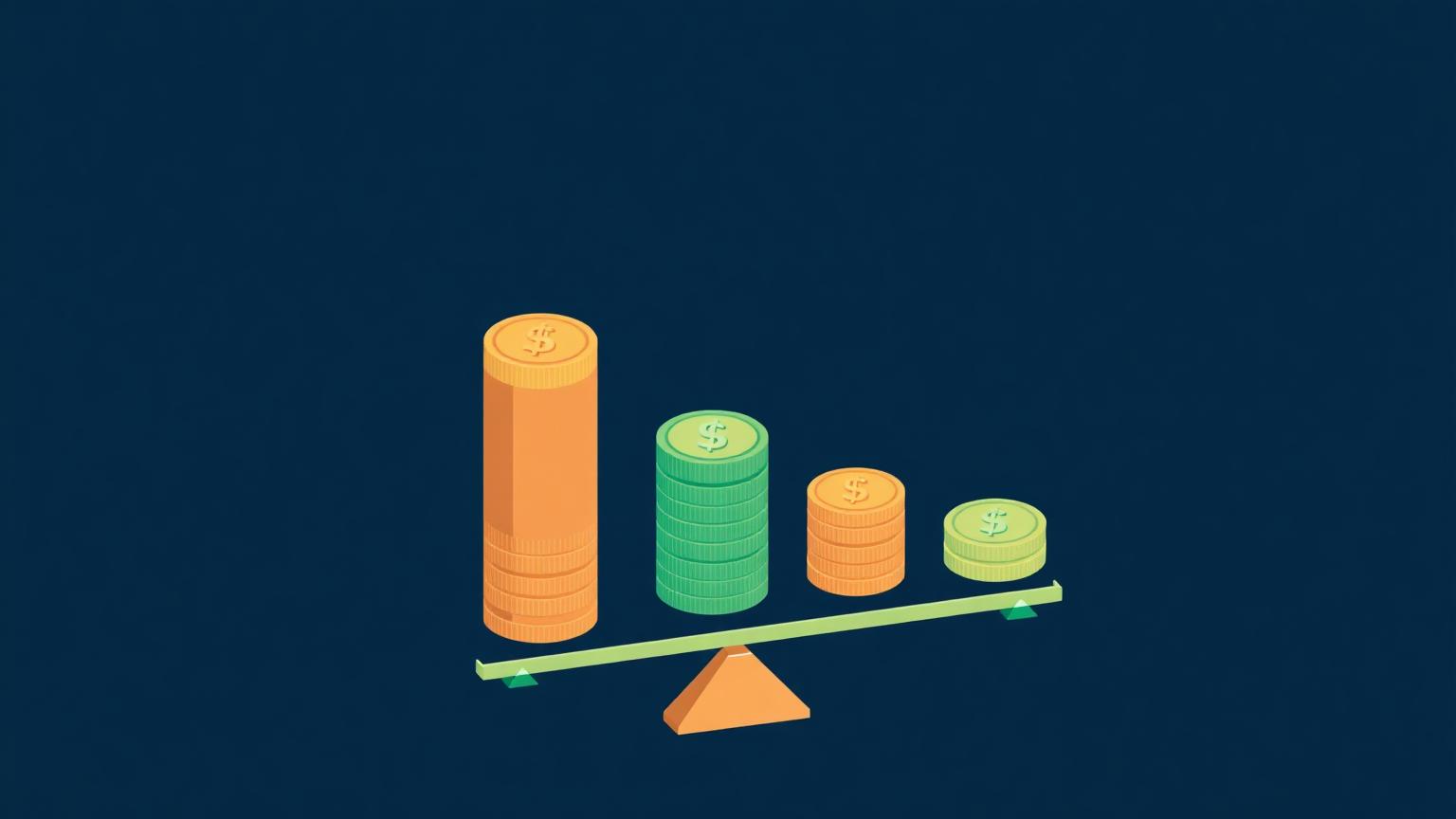
Judge a channel by whether it recovers its cost inside a window you can finance. For most small businesses that means under twelve months, and under six for anything paid.
The payback period matters more than the ratio for a cash-constrained business. A channel with excellent economics over three years can still be the thing that kills you if you cannot fund the gap.
This is where the two numbers work together. Lifetime value tells you whether a channel is worth running at all. Payback tells you whether you can afford to run it now, at the volume you want.
A simple discipline helps here. Before adding spend to any channel, write down the payback window you expect and the date you will check it. Channels without a written expectation get evaluated on vibes, and vibes always favor whatever is easiest to see.
We wrote more about how this shapes go-to-market decisions in the What the CAC? newsletter, which is where most of this thinking gets worked out in the open.
Which channels compound instead of costing more each month?
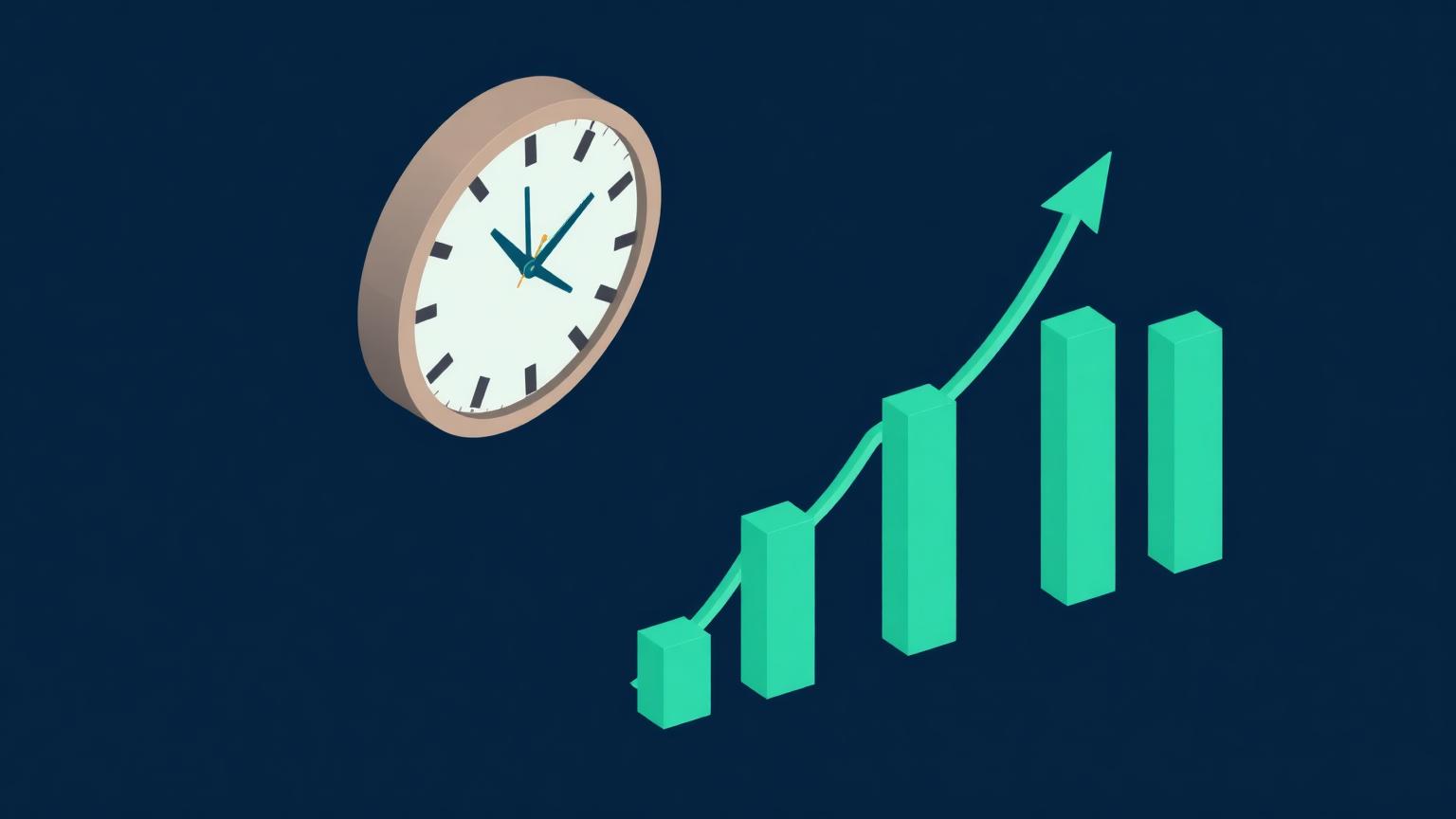
The ones you own. Content, search visibility, webinars, partnerships, and referral relationships all keep producing after the work is finished, which is what makes them structurally cheaper over time.
Paid media is the opposite. Performance resets to zero the moment the budget stops, and unit costs tend to rise as you push for more volume from the same audience.
This is not an argument for abandoning paid channels. It is an argument for the mix. Paid buys you speed and predictability now; owned channels buy you a lower cost base later, and a small business needs both.
The practical difficulty is that owned channels look bad on a quarterly report. They take months to produce measurable results, and the attribution is messy even when they are working well.
A few ways to keep them funded through that gap:
- Measure leading indicators—impressions, ranked queries, repeat visitors—while conversions build.
- Give each owned channel a twelve-month horizon and review it against that, not against last month.
- Reuse the same underlying work across formats so one piece of thinking pays for several placements.
- Track assisted conversions rather than last click, or owned channels will always look worse than they are.
Referral and partner relationships deserve a specific mention. They are the highest-margin pipeline most small businesses have and the one nobody puts on a channel plan, largely because they are hard to forecast.
Build them anyway. The businesses with the healthiest economics we work with are usually the ones with the deepest referral network, not the sharpest ad account.
What do teams ask most often about acquisition cost?
These come up in nearly every diagnostic conversation.
Should sales salaries be included?
Yes, if you want a number that reflects reality. Excluding people costs makes an expensive motion look cheap and hides the case for better tooling.
How often should we recalculate it?
Quarterly for decision-making, monthly for monitoring. Anything more frequent adds noise without adding signal at small volumes.
Does content marketing lower acquisition cost or just delay it?
It lowers blended cost over time, once the work compounds. It is a poor choice if you need pipeline this month and a strong one if you need lower costs next year.
What if we cannot measure lifetime value yet?
Use average order value and repeat rate as a proxy, and improve the measurement as your data matures. An approximate ratio beats no ratio.
Is a rising acquisition cost always bad?
No. It can mean you are moving upmarket, entering a harder segment, or investing ahead of revenue. Context decides.
Where should you start this week?
Instrument one handoff and one conversion rate, then fix the worse of the two. Reducing customer acquisition cost is a sequence of small recovered percentages, not a single dramatic decision.
Start where the loss is already paid for. The demand you have generated and failed to convert is the cheapest pipeline available to you, and it does not require a bigger budget to claim.